
Does Olive Oil Clog Drains? A Camas, WA Homeowner Guide
Olive oil looks harmless as it pours down the sink, but it does not stay liquid. Here is what happens to it and what to do instead.
The Short Answer
Yes, olive oil can clog drains. It is a fat, and like other cooking fats it cools and thickens as it moves through the colder parts of your plumbing. A small amount rinsed from a pan is unlikely to cause a problem by itself, but oil poured down the sink over weeks and months builds up.
Oil does not mix with water, so it clings to the inside of the pipe. Food particles and soap stick to it, and over time the layer grows into a stubborn blockage.
What Happens to Oil in Your Pipes
- Warm oil goes down the drain with hot water and seems to disappear.
- As the water cools, the oil thickens and sticks to the walls of the pipe.
- Soap scum, hair and food particles stick to the oily layer.
- The opening narrows, water drains slower and eventually the line blocks.
Oil is the glue, and the other debris is the bulk of the clog. This is why kitchen lines clog more than bathroom lines, and why the problem often shows up in the trap and the first stretch of pipe past the sink.
What to Do With Cooking Oil Instead
- Let used oil cool, then pour it into a sealable container and put it in the trash.
- Wipe greasy pans with a paper towel before washing.
- Use a sink strainer to catch food particles.
- Check whether a local program takes used cooking oil for recycling.
- Never pour oil into the toilet or the storm drain.
A little dish soap does not make oil safe for the drain. It breaks the oil into small droplets for a moment, but it can re-form farther down the line, which is why prevention works better than a cleaning product.
| Fat | Behavior in the pipe | Better disposal |
|---|---|---|
| Olive oil | Thickens as it cools, sticks to pipe walls | Cool, seal and trash |
| Bacon grease | Solidifies quickly | Pour into a can, trash when full |
| Butter | Hardens in cold lines | Wipe pans first |
| Coconut oil | Solid at room temperature | Never pour down the drain |
| Salad dressing | Mix of oil and solids | Scrape into the trash |
If the Drain Is Already Slow
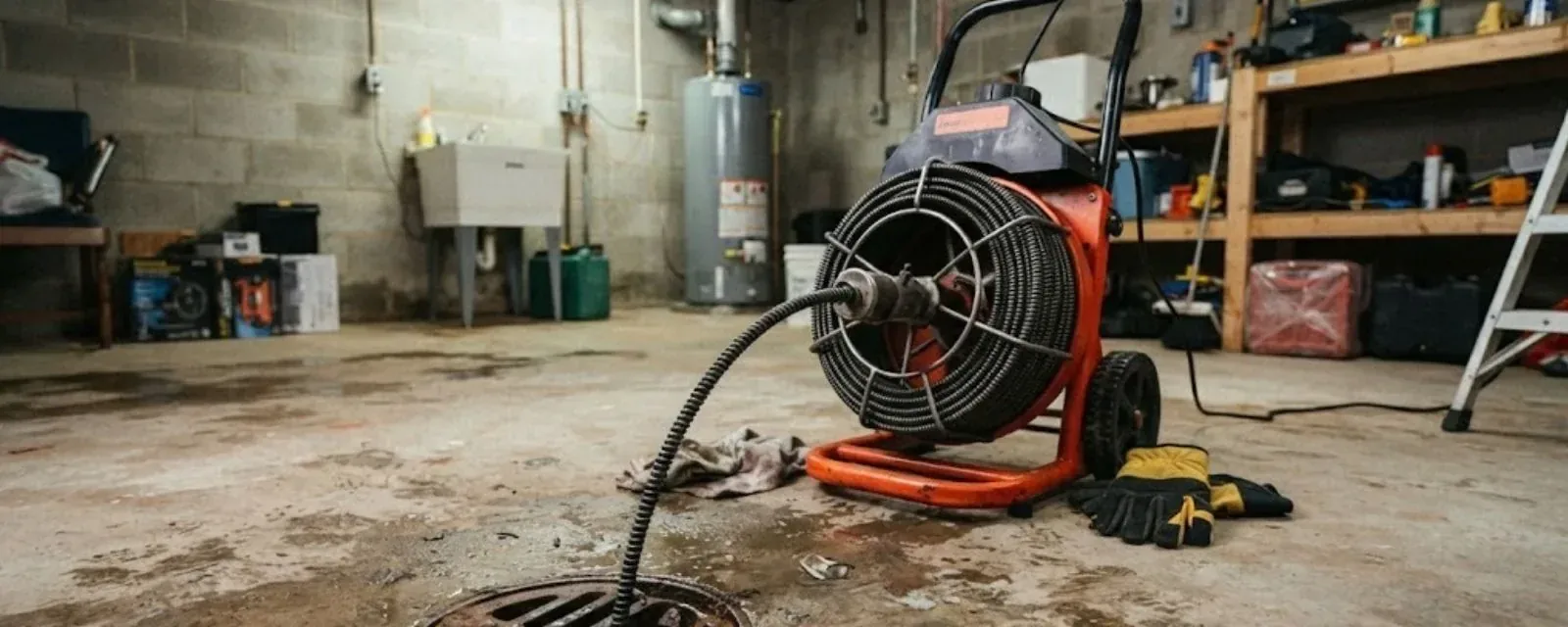
A slow kitchen drain may have fat in the trap or in the first few feet of pipe. You can clean the trap under the sink, but a clog deeper in the line needs a cable or a jetter. Pouring hot water down a drain with a grease clog may move it farther down the pipe.
If the problem keeps returning, hydro jetting cleans the wall of the pipe and removes the layer of fat that a cable leaves behind. For a first clog, a standard drain cleaning visit is usually enough.
Kitchen drain slow?
Call and we will clear it and tell you what caused it.
Fats, Oils and the City of Camas STEP System
In Camas, some homes connect to the city's STEP sewer system, where waste flows to a small tank that the city owns, along with the pump and control panel. The city says that additives should not be used in the system and that flushable wipes are not suitable, and the same logic applies to fats and oils that cling to pipe walls and tank surfaces.
Whatever your connection, the owner maintains the line from the house to the tank or to the street. A clog there is the owner's to clear, and a kitchen that sends fat down the drain every day is the most likely source of repeated blockages.
According to the City of Camas, additives and flushable wipes do not belong in its STEP sewer system, and grease is one more material that should stay out of the drain.
Other Things That Do Not Belong Down a Kitchen Drain
- Coffee grounds, which clump and settle in the trap.
- Rice and pasta, which swell with water.
- Eggshells, which break into grit that sticks to grease.
- Fibrous scraps such as celery and onion skins.
- Flour and starchy water, which turn to paste.
The pattern is the same. Fats act as the glue and food scraps add bulk, so keeping both out of the sink protects your pipes and any garbage disposal. A strainer in the drain is a cheap tool that catches most of it.
A Simple Kitchen Routine
Scrape plates and pans into the trash, wipe grease with a paper towel, cool and bin used oil, and run hot water for a few seconds after washing. If you cook with oil often, keep a lidded jar by the stove so disposing of it takes no effort.
Once a month, run hot tap water for a minute to carry light residue down the line. If you notice slow draining anyway, call before the clog is complete, since a partial blockage is simpler to clear.
Cleaning Up a Greasy Pan the Right Way
- Let the pan cool until the oil starts to thicken.
- Wipe it with a paper towel and put the towel in the trash.
- Scrape any remaining bits into the trash with a spatula.
- Wash the pan with hot soapy water in the usual way.
- Run the tap for a few seconds after you finish.
It takes an extra minute and keeps the grease out of the line. Over a year, that minute can be the difference between a clear drain and a service call.
For restaurants and food businesses, grease control is more than a habit, and local rules may require traps or interceptors. A plumber can advise on what applies to your space.
Key Takeaways
- Olive oil is a fat, and it thickens in cool pipes and sticks to the walls.
- Wipe pans, cool used oil and put it in the trash, not the sink.
- Fat and food scraps together build the stubborn clogs, so a strainer helps.
- If your home is on the Camas STEP system, avoid additives and wipes as the city asks.
- A slow kitchen drain is easiest to clear early, so call before it stops.
Questions About Olive Oil and Drains in Camas
Is it safe to pour a little olive oil down the drain?
One small rinse is unlikely to cause trouble, but regular disposal builds up. Wipe pans and trash the oil.
Does olive oil clog drains faster than other fats?
It stays liquid longer than bacon grease, but it still thickens as it cools, so it can coat pipes the same way.
Does the City of Camas allow additives for STEP sewers?
The city says additives should not be used in its STEP system, so ask the city before using any drain product.
Will boiling water clear a grease clog?
It may soften a clog briefly, but the grease can re-solidify farther down the line.
Do you clear kitchen drains in Washougal?
Yes. See our Washougal page for the area we serve.
Camas Express Plumbing Coverage Map
We work out of Camas and cover the city, plus nearby Clark County towns such as Washougal. See the full list on our service area page.
Plumbing Trouble In Camas? Call Now
Our line is open around the clock. Tell us what is happening and we will line up the next step.
☎ (360) 371-6092